A CIO’s Guide to HIMSS 2026: Strategic Priorities for Healthcare IT Leaders
For healthcare CIOs, HIMSS 2026 represents more than a technology showcase. It is a decision-making environment where strategic vendor partnerships, digital transformation roadmaps, and infrastructure investments take shape.
With tightening margins, workforce shortages, regulatory pressures, and rising cybersecurity threats, IT leaders must evaluate solutions not based on hype — but on measurable outcomes.
This guide outlines the five critical areas healthcare CIOs should prioritize at HIMSS 2026 and how to extract maximum value from the event.
1. AI-Powered Clinical & Operational Transformation
AI adoption in healthcare has matured beyond pilots. At HIMSS 2026, expect solutions focused on operational scalability and measurable impact.
Where CIOs Should Focus
Clinical Optimization
- AI-assisted documentation and ambient listening
- Clinical decision support tools
- Imaging diagnostics acceleration
Operational Efficiency
- Revenue cycle automation
- Patient flow forecasting
- Workforce planning optimization
Strategic Evaluation Questions
- Does the AI integrate with existing EHR systems?
- How transparent and explainable is the model?
- Is it compliant with HIPAA and emerging AI governance frameworks?
- What ROI benchmarks exist from other healthcare deployments?
CIOs should prioritize vendors who provide implementation roadmaps, not just product demos.
2. Interoperability & FHIR at Scale
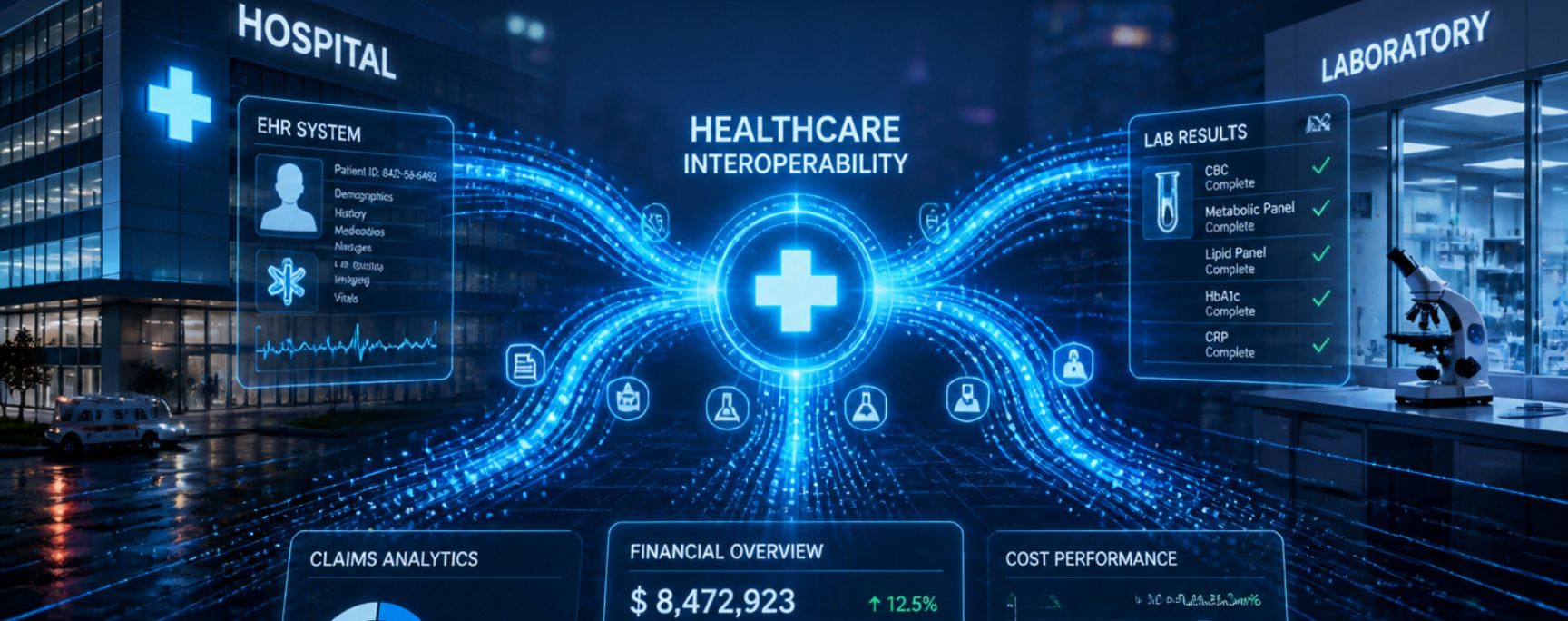
Interoperability remains one of healthcare’s biggest technical and operational challenges.
HIMSS 2026 will heavily feature:
- FHIR-native application development
- Real-time API ecosystems
- Multi-EHR integration strategies
- Health information exchange modernization
What Mature Interoperability Looks Like
- Standardized FHIR APIs
- Data normalization pipelines
- Scalable integration architecture
- Secure patient data exchange
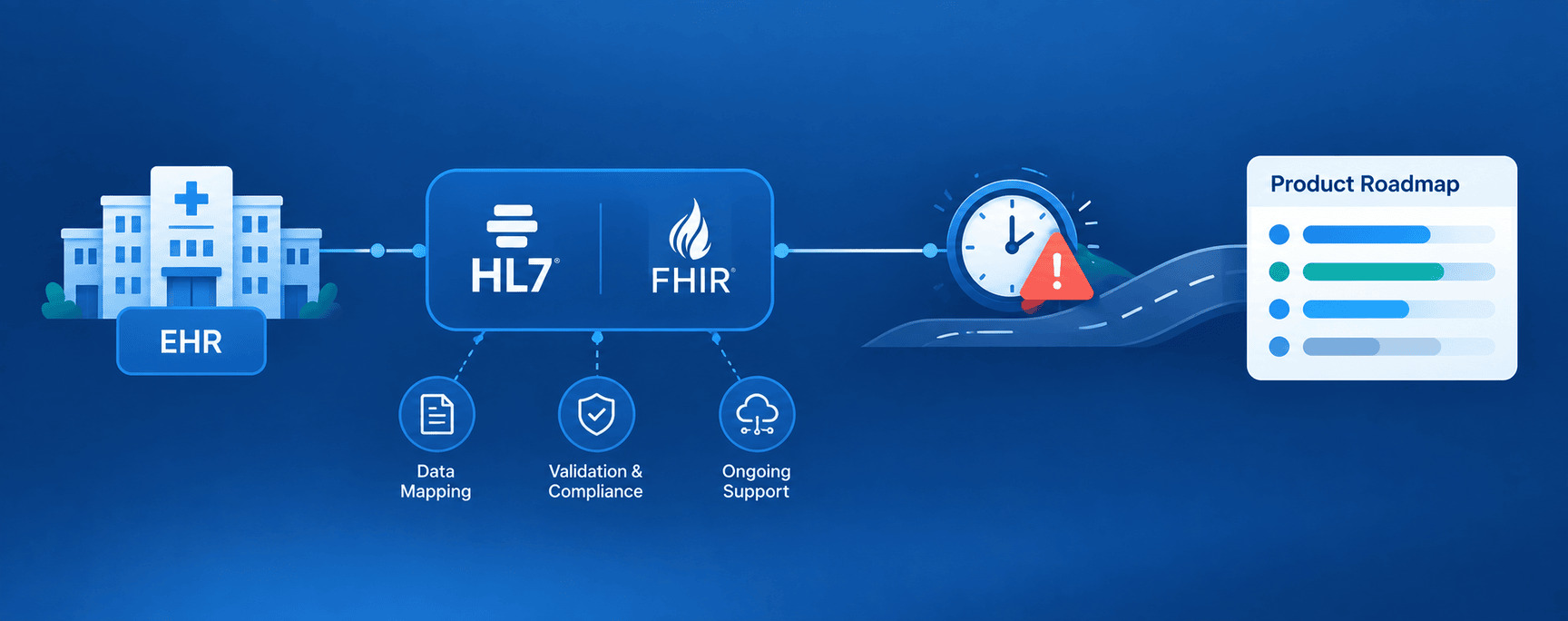
CIOs must assess whether vendors understand both technical standards (FHIR, HL7) and healthcare workflows.
Interoperability should enable:
- Improved care coordination
- Reduced duplication
- Better population health analytics
3. Legacy Modernization & Cloud Migration
Many health systems are still burdened by outdated architectures that restrict innovation.
At HIMSS 2026, expect strong emphasis on:
- Cloud-native healthcare platforms
- Microservices transformation
- DevOps for healthcare
- Platform engineering models
CIO Decision Framework
Evaluate partners based on:
- Experience migrating mission-critical systems
- Compliance-ready cloud infrastructure
- Cost optimization models
- Long-term scalability planning
Digital transformation is not a one-time project — it requires a sustainable engineering partner.
HIMSS 2026 Trends to Real-World Results
Identifying innovation is only the first step. Meet our healthcare IT experts at HIMSS 2026 to discuss how these emerging trends can be architected, integrated, and scaled within your organization.
Meet Our Team at HIMSS 20264. Cybersecurity in a High-Risk Environment
Healthcare continues to experience some of the highest data breach rates across industries.
CIOs attending HIMSS 2026 should explore:
- Zero-trust architecture
- Identity and access management
- Secure API gateways
- Real-time threat monitoring
Cybersecurity strategy must extend beyond tools — it requires integration into platform design and development practices.
5. Vendor Evaluation: Moving Beyond Flashy Booth Demos
HIMSS can be overwhelming. Hundreds of vendors promise innovation.
The key differentiator? Execution capability.
CIOs should look for:
- Demonstrated healthcare engineering depth
- Proven integration expertise
- Regulatory knowledge
- Agile delivery models
- Long-term partnership mindset
How to Maximize Your Time at HIMSS 2026
Before attending:
- Define 3–5 strategic priorities
- Identify specific solution categories
- Pre-schedule high-value meetings
- Prepare integration and compliance questions
During the event:
- Focus on roadmap discussions
- Request architecture-level insights
- Discuss implementation timelines
After the event:
- Evaluate vendor scalability
- Align solutions with internal strategy
- Prioritize long-term ROI over short-term excitement
Turning HIMSS 2026 Into Measurable Outcomes
Healthcare IT transformation requires more than vision — it requires experienced engineering execution.
If you’re attending HIMSS 2026 and exploring:
- AI implementation strategy
- Interoperability architecture
- Cloud modernization
- Healthcare platform engineering
We invite you to schedule a strategic discussion with our healthcare IT team during the event.
Frequently Asked Questions
About Dash

Dash Technologies Inc.
We’re technology experts with a passion for bringing concepts to life. By leveraging a unique, consultative process and an agile development approach, we translate business challenges into technology solutions Get in touch.