Domain
Healthcare Interoperability
Services
- EMR Integration Services
- HL7 Integration Services
- Healthcare Interoperability Solutions
- Healthcare Data Integration
- FHIR Enablement & Data Normalization
- Integration Architecture & Consulting
- Workflow Automation
- Healthcare IT Integration Services
Overview
A healthcare technology provider faced a significant scalability challenge due to inconsistent and resource-intensive hospital EMR connectivity across its growing customer base. Each deployment required custom HL7 configurations, network setup, and extensive coordination with hospital IT teams, resulting in slow onboarding cycles, increased implementation effort, and limited deployment repeatability.

About the Client
The client is a healthcare technology provider specializing in medical device integration with EMR systems. Their platform enables seamless clinical data exchange across hospital environments, supporting connected workflows and healthcare interoperability at scale.
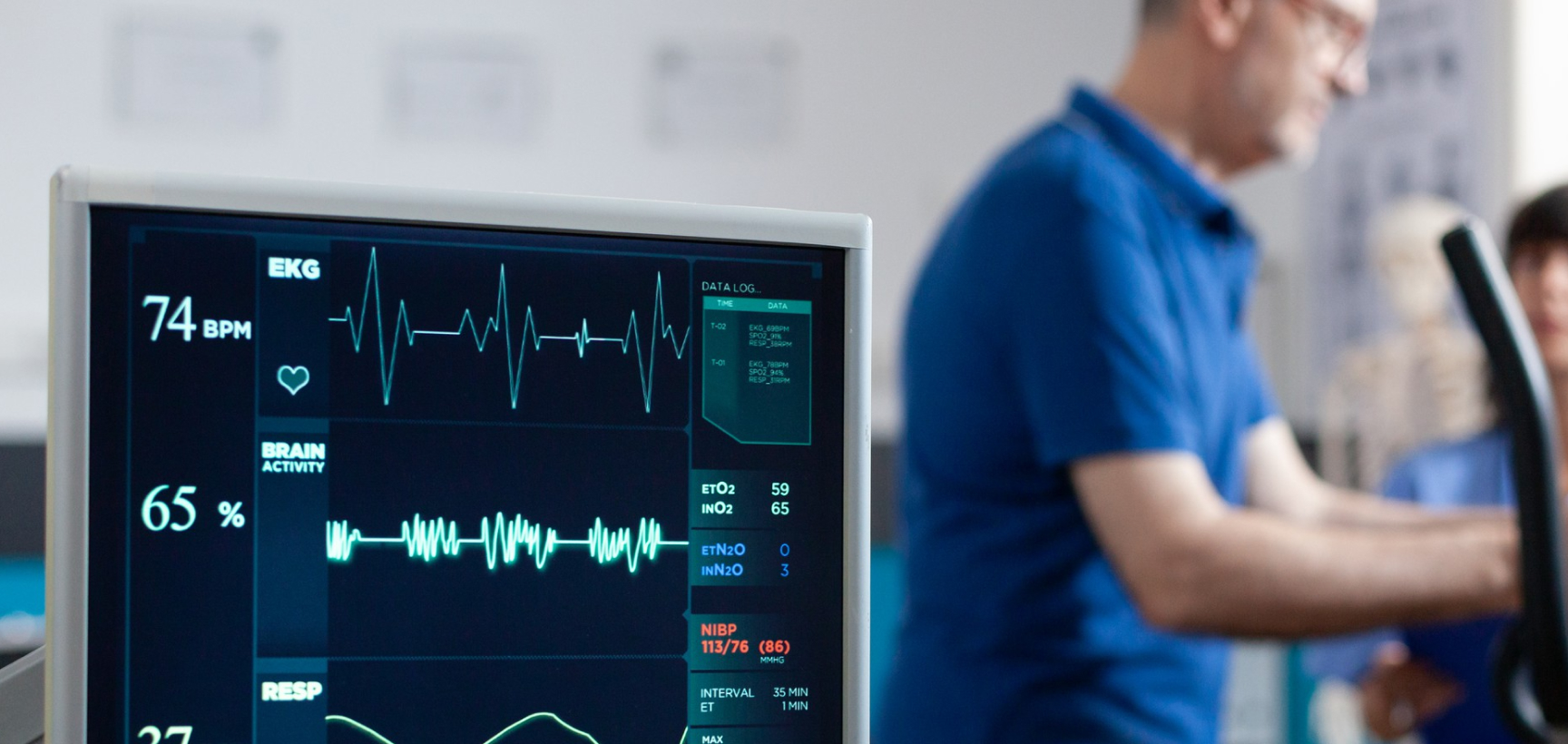
Designed a configurable interoperability framework that transformed custom hospital integrations into repeatable, scalable deployments
Business Challenges
As the client expanded across multiple hospital environments, the need for a scalable and standardized approach to EMR integration became increasingly important.
-
Fragmented EMR Landscape
Each hospital—and even each location—had different HL7 formats, ports, and interface logic, preventing reuse.
-
Fragile HL7 Messaging
Minor errors in HL7 structure could break data flows, requiring manual decoding and rework.
-
Complex Network Setup
Custom VPNs, firewall alignment, and bidirectional port configurations delayed integration significantly.
-
No Standard Integration Model
Lack of reusable templates or playbooks meant rebuilding integrations from scratch each time.
Enabled secure real-time healthcare data exchange through MLLP, TLS-secured transport, and standardized integration workflows.
From Manual Integrations to Scalable Interoperability Framework
DASH transformed fragmented, hospital-specific integrations into a scalable interoperability framework built to support repeatable deployments, standardized connectivity, and efficient healthcare data exchange across diverse EMR environments.
Phase 1
Building a Configurable Healthcare Integration Architecture
Each hospital required unique ports, VPN configurations, and interface mappings, creating significant deployment overhead. Dash implemented a scalable EMR integration framework that separated core integration logic from environment-specific settings, enabling configurable healthcare integration across hospital networks.
Key activities included:
- Built a standardized integration pipeline reusable across deployments
- Externalized hospital-specific parameters, including IPs, ports, VPN endpoints, and file paths
- Enabled site-level configuration for multi-location healthcare systems
- Standardized onboarding across EMRs and infrastructure environments
- Implemented a structured healthcare integration architecture to reduce deployment variability
Reduced onboarding time by 35%, shifting integrations from custom engineering efforts to configuration-driven deployments.
Phase 2
HL7 Integration Services and Healthcare Data Normalization
To ensure reliable interoperability, we addressed integration challenges at the message level through advanced HL7 integration services and healthcare data normalization.
The engine performs several functions:
- Developed logic for generating structurally accurate HL7 messages
- Implemented HL7 parsing for patient, visit, provider, and clinical data
- Managed delimiter sensitivity and message integrity validation
- Supported MLLP over TCP/IP and TLS-secured HL7 transport
- Enabled file-based HL7 workflows using integration engines such as Mirth Connect
- Standardized EMR-specific variations through healthcare data normalization
- Implemented HL7 v2 to FHIR conversion for modern interoperability initiatives
Reduced HL7-related integration errors by 28%, improving data reliability, and minimizing rework cycles.
Phase 3
Healthcare Workflow Automation and EMR Workflow Integration
With a stable interoperability foundation in place, we focused on healthcare workflow automation to improve operational efficiency and clinical usability.
The integration framework generates:
- Enabled direct write-back of device-generated data into EMRs
- Automated patient synchronization and device-data association workflows
- Structured outputs to align with EMR ingestion requirements
- Replaced hardcoded transformations with configurable mapping models
- Reduced dependency on specialized HL7 resources
- Streamlined automated healthcare data exchange across connected systems
Reduced manual data entry by 40% and increased deployment efficiency, enabling a 2× increase in parallel hospital onboarding capacity through optimized clinical workflow processes.
Business Impact
DASH improved healthcare integration efficiency by standardizing deployments and enabling scalable hospital integration across diverse EMR environments.
Reduced EMR onboarding time by 35%
Decreased HL7-related integration errors by 28%
Cut deployment cycles by 10 days per hospital
Reduced manual data entry in healthcare workflows by 40%
Increased parallel onboarding capacity by 2×
Improved healthcare interoperability through standardized integration workflows
Built a healthcare data integration platform that accelerated onboarding, reduced implementation effort, and improved interoperability at scale.
The Dash difference
By enabling standards-based interoperability using HL7 and DICOM, the ECG platform evolved from a standalone diagnostic system into an interoperable solution capable of transmitting reports directly to hospital systems such as Epic.
Client Testimonials

The Dash team did an exceptional job and kept me involved at every stage, which was so important to me. Everyone, from the developers behind the scenes to the project team, played a critical role in bringing my app to life. I couldn’t be happier with my decision to partner with Dash and will continue working with them as the app grows nationwide.
- Kevin Unger | Experienced Medtech Executive & Entrepreneur
Related Case Study
See all Case Studies
Have an Idea or Project? Let's Talk
Subscribe to Our Newsletter Here
Stay updated on the latest healthcare breakthroughs and research.
