Epic EHR Integration Cost in 2026: Complete Pricing, Budget & Planning Guide
Epic EHR integration has become a strategic investment for healthcare providers, digital health companies, MedTech innovators, and healthcare technology vendors looking to improve interoperability and streamline clinical workflows.
One of the first questions organizations ask before starting an integration project is:
How much does Epic EHR integration cost?
The answer depends on several factors, including the complexity of the integration, the number of systems involved, regulatory requirements, implementation approach, and long-term maintenance needs.
A simple Epic API integration may cost tens of thousands of dollars, while large-scale interoperability initiatives involving multiple applications, healthcare systems, and clinical workflows can require significantly larger investments.
This guide breaks down the key cost drivers, budgeting considerations, implementation timelines, and strategies healthcare organizations can use to maximize ROI while controlling integration expenses.
Quick Answer: How Much Does Epic EHR Integration Cost?
The cost of Epic EHR integration varies widely depending on project scope and technical requirements.
| Integration Type | Estimated Cost Range |
|---|---|
| Basic API Integration | $20,000–$50,000 |
| Third-Party Healthcare Application Integration | $50,000–$100,000 |
| Patient Portal or Digital Health Platform Integration | $75,000–$150,000 |
| Multi-System Interoperability Project | $100,000–$250,000+ |
| Enterprise Integration Ecosystem | $250,000+ |
These estimates can vary based on data complexity, interoperability standards, security requirements, and customization needs.

Why Healthcare Organizations Invest in Epic Integration?
Epic serves as the central system of record for many healthcare organizations. However, healthcare operations rarely rely on a single platform.
Organizations often need Epic to exchange data with:
- Digital health applications
- Patient engagement platforms
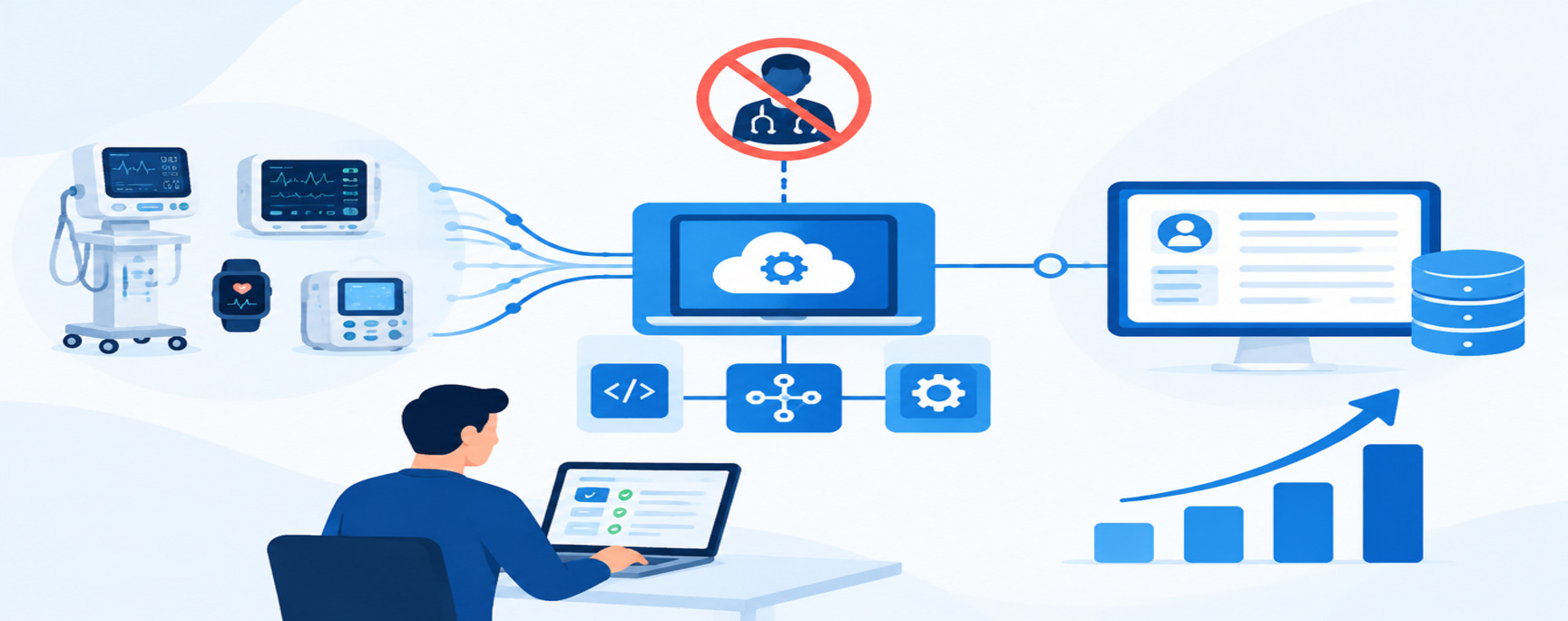
- Medical devices
- Laboratory systems
- Revenue cycle systems
- Telehealth solutions
- Analytics platforms
- Remote patient monitoring systems
Effective integration enables organizations to improve data accessibility, reduce manual workflows, and support better patient outcomes.
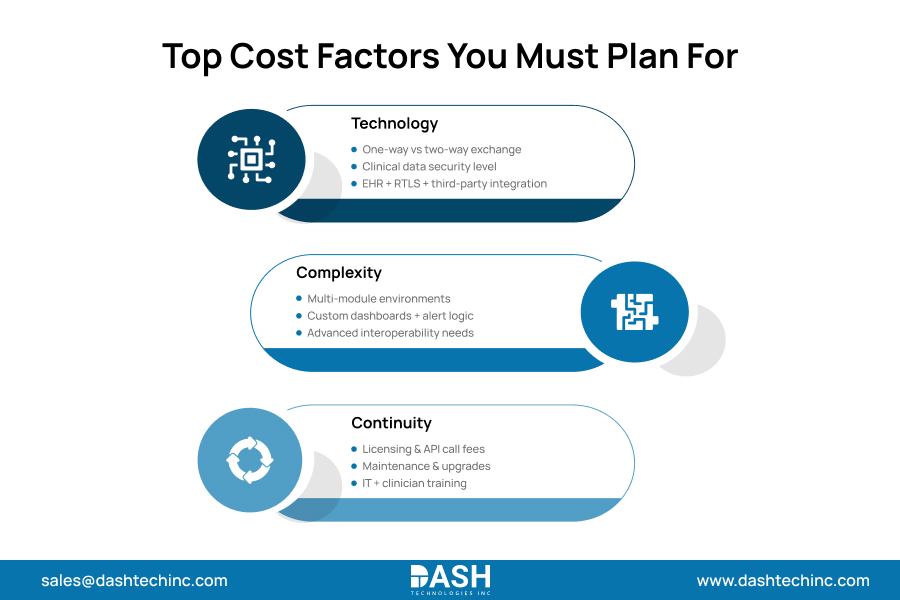
What Factors Influence Epic Integration Costs?
Several factors directly affect implementation budgets.
1. Integration Complexity
The complexity of the integration is one of the largest cost drivers.
Simple projects typically involve:
- One application
- Standard API connections
- Limited workflows
More complex initiatives may require:
- Multiple systems
- Data transformation
- Custom workflows
- Advanced interoperability requirements
The greater the complexity, the higher the development, testing, and maintenance costs.
2. Number of Connected Systems
Connecting Epic to a single application is significantly different from integrating an entire healthcare ecosystem.
Examples include:
- Epic + Mobile App
- Epic + Telehealth Platfor
- Epic + Medical Device Platform
- Epic + Analytics Infrastructure
- Epic + Multiple Provider Systems
Each additional connection introduces new integration requirements, testing scenarios, and governance considerations.
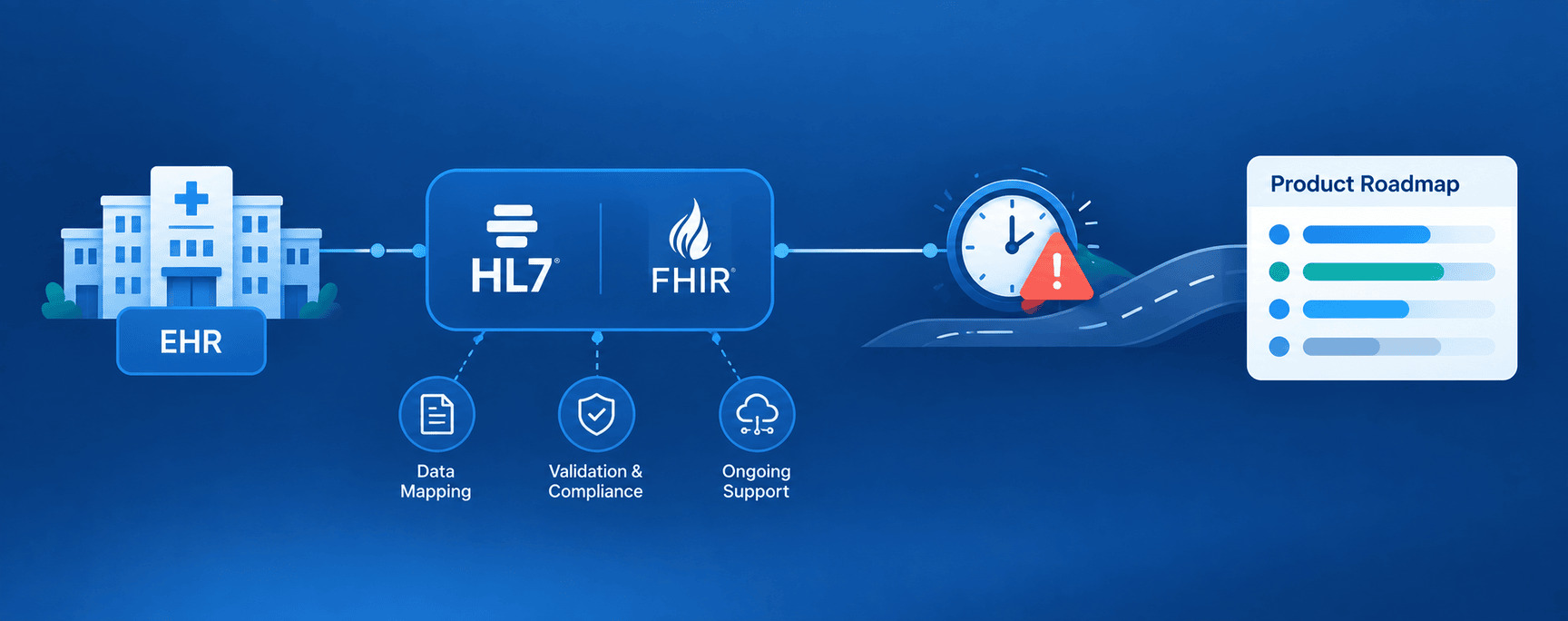
3. FHIR vs HL7 Architecture
The integration standard you choose can significantly impact both initial and long-term costs.
Traditional HL7 integrations often require:
- Interface engines
- Custom mappings
- Extensive maintenance
FHIR-based integrations leverage modern APIs that are typically easier to develop, scale, and maintain.
Organizations planning future interoperability initiatives often prioritize FHIR because it supports modern healthcare applications and real-time data exchange.
4. Data Migration Requirements
Healthcare organizations frequently need to migrate:
- Historical patient records
- Clinical documentation
- Scheduling data
- Imaging information
- Laboratory results
The volume and quality of existing data can substantially impact project costs.
Poorly structured or incomplete data often requires additional cleansing and validation efforts.
5. Security and Compliance Requirements
Healthcare data is highly regulated.
Epic integration projects must comply with:
- HIPAA requirements
- Security standards
- Access controls
- Audit logging requirements
- Data privacy regulations
Additional security measures can increase implementation effort but are essential for protecting sensitive patient information.
6. Testing and Validation
Testing is often underestimated during budgeting.
Organizations must validate:
- Data accuracy
- Workflow performance
- Security controls
- User acceptance requirements
- Regulatory expectations
Comprehensive testing reduces implementation risks and helps prevent costly post-deployment issues.
Planning an Epic Integration?
Get expert guidance on Epic integration costs, architecture, and implementation planning.
Talk to an ExpertHidden Costs That Can Increase Epic Integration Budgets
Many organizations budget only for development while overlooking secondary costs.
Common hidden expenses include:
- Vendor Coordination:
Third-party vendors often introduce additional costs, dependencies, and project delays. - Scope Expansion:
Requirements frequently evolve during implementation. - Staff Training:
End users often require training to maximize adoption and efficiency. - Ongoing Maintenance:
Integrations require continuous monitoring, updates, and optimization. - Infrastructure Costs:
Cloud services, middleware, and monitoring tools can add recurring expenses.
Understanding these hidden costs helps organizations create more realistic budgets.
Epic FHIR Integration vs Traditional HL7 Costs
Organizations evaluating interoperability strategies often compare FHIR and HL7.
| Cost Factor | HL7 | FHIR |
|---|---|---|
| Development Effort | Higher | Lower |
| Integration Speed | Moderate | Faster |
| Maintenance Costs | Higher | Lower |
| Scalability | Moderate | High |
| API Support | Limited | Extensive |
| Future Readiness | Moderate | High |
FHIR’s API-first architecture generally reduces long-term maintenance costs while supporting greater flexibility and innovation.
Why Epic Integration Projects Go Over Budget?
Budget overruns typically occur because organizations underestimate integration complexity.
Common causes include:
- Poor Requirements Definition:
Unclear requirements lead to rework and delays. - Legacy System Challenges:
Older systems often require custom integration approaches. - Data Quality Issues:
Inconsistent data increases transformation and validation effort. - Interoperability Roadblocks:
Standards implementation varies across organizations. - Insufficient Governance:
Projects without strong governance often experience scope creep and timeline extensions.
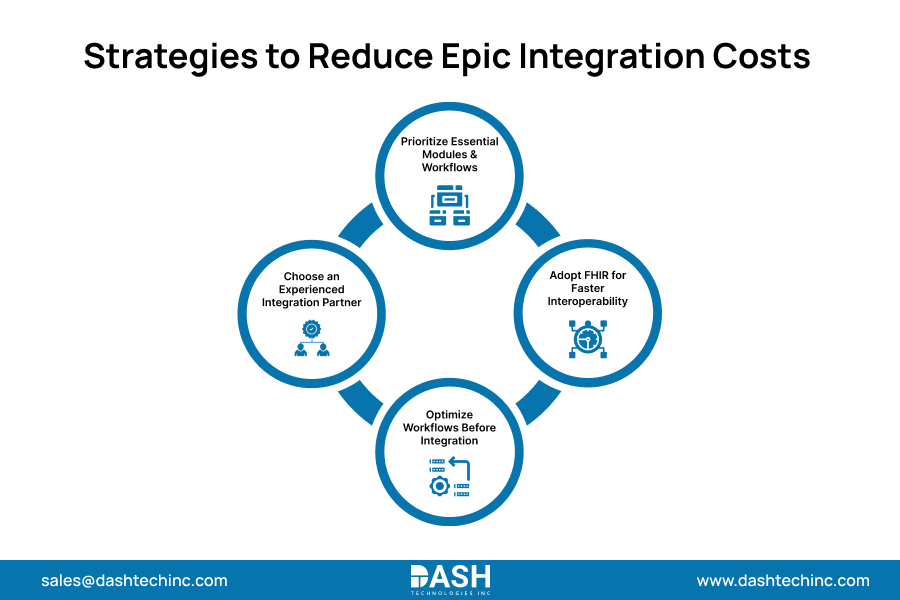
How to Reduce Epic Integration Costs?
Organizations can control costs by adopting a structured implementation strategy.
- Start with a Defined Scope
Clearly identify:
Business objectives
Required workflows
Integration priorities - Leverage Standard APIs
Using standard Epic APIs reduces development effort and maintenance requirements. - Build a Phased Roadmap
Instead of attempting enterprise-wide integration immediately, prioritize high-value use cases first. - Choose the Right Integration Partner
Experienced healthcare integration teams can help organizations avoid common pitfalls, reduce implementation risks, and accelerate deployment timelines.
How Long Does Epic Integration Take?
Implementation timelines depend on project complexity.
| Project Type | Estimated Timeline |
|---|---|
| Simple API Integration | 4–8 Weeks |
| Healthcare Application Integration | 2–4 Months |
| Multi-System Integration | 4–8 Months |
| Enterprise Interoperability Program | 6–12+ Months |
Organizations should plan for requirements gathering, development, testing, security reviews, and post-launch support.
Why Interoperability Platforms Can Reduce Integration Costs?
Many healthcare organizations are moving away from point-to-point integrations and adopting interoperability platforms.
Benefits include:
- Reduced development effort
- Faster onboarding
- Centralized governance
- Improved scalability
- Lower maintenance costs
Organizations with multiple integration requirements often achieve better long-term ROI using a healthcare interoperability platform.
Reduce Epic Integration Costs Faster
Launch Epic, HL7, and FHIR integrations faster with BridgeFast's prebuilt healthcare interoperability framework.
Explore BridgeFastConclusion
Epic EHR integration is more than a technical project—it’s a strategic investment in interoperability, operational efficiency, and future healthcare innovation. Organizations that proactively plan for integration costs, security requirements, and scalability can achieve faster deployments and stronger long-term ROI.
Whether you’re building a patient engagement platform, integrating medical devices, implementing FHIR APIs, or modernizing legacy HL7 workflows, having the right integration strategy can significantly reduce implementation risks and unexpected costs. Talk to our healthcare interoperability experts to explore your Epic integration requirements and discover the best path forward for your organization.
Frequently Asked Questions
About Dash

Dash Technologies Inc.
We’re technology experts with a passion for bringing concepts to life. By leveraging a unique, consultative process and an agile development approach, we translate business challenges into technology solutions Get in touch.