Breaking Down Data Silos in Orthopedic Departments
Orthopedic data silos severely restrict clinical excellence and operational growth. Healthcare data fragmentation occurs when critical information remains trapped within isolated software environments. For high-volume orthopedic departments, this structural disconnect is critical.
Orthopedic departments gather a lot of operational data. This includes surgical notes and post-acute physical therapy logs. However, this information remains locked across disparate systems. When legacy platforms can’t integrate, orthopedic analytics issues grow. This stops leadership from getting useful operational insights.
To succeed in value-based care, today’s orthopedic programs need integrated data systems. These systems turn scattered information into a valuable, unified resource. Learn why high-performing orthopedic service lines invest in real-time performance infrastructure.
What Are Data Silos in Orthopedic Departments?
Orthopedic data silos occur when clinical, operational, and financial data exist in disconnected systems, preventing unified performance visibility. This severe orthopedic data fragmentation manifests across three primary categories:
- Clinical Data Silos
Vital patient info is stuck in separate EHR documents, surgeon notes, outcome tracking tools, and post-discharge rehab records. Not connecting these data points makes it hard for leadership to see baseline quality, clinical outcomes, and care variation accurately. - Operational Data Silos
Facilities naturally produce detailed operational data every day: OR schedules, block usage %, turnover times, daily cancellations, and staffing reports. Leaders who track these throughput metrics in disparate tools can no longer see how daily efficiency directly impacts clinical or financial reporting - Financial Data Silos
Financial data may live in billing systems, cost-accounting platforms, payer reports, implant purchasing systems, and service-line finance tools. When those systems remain disconnected from clinical and operational data, it becomes difficult to understand what is driving margin performance.
Common Sources of Data Silos in Orthopedic Programs
Orthopedic system fragmentation stems directly from deploying highly specialized, disconnected clinical tools. This unchecked growth of standalone platforms creates strict healthcare IT silos. This disrupts executive visibility in four main areas:
- Electronic Health Records (EHR): EHRs record key clinical data, like diagnoses & discharge summaries. However, they miss detailed financial information needed for managing care episodes.
- Surgical Scheduling: Perioperative tools track block allocation and facility throughput. They often don’t connect to quality metrics or post-acute utilization data.
- Imaging (PACS): These platforms trap critical diagnostic data and surgical planning models within separate ecosystems, completely disconnected from daily executive analytics workflows.
- Implant Vendor Systems: Supply chain platforms house vital device pricing, but isolating this procurement information severely obscures true episode margins and surgeon cost variation.
Unifying these disparate digital environments remains the absolute prerequisite for achieving complete operational oversight and executing sustainable value-based care contracts.
The Impact of Data Silos on Orthopedic Performance
Orthopedic data silos create more than inconvenience. They directly affect performance management and strategic decision-making.
One major issue is delayed decision-making. When leaders manually reconcile data from different systems, it slows down their response. This lack of agility makes it hard to manage sudden changes in clinical volume or episode costs.
A second problem is incomplete performance reporting. Orthopedic service-line reports may show outcomes without cost context, OR performance without case mix context, or margin data without quality context. That leads to decisions based on partial evidence.
A third issue is limited visibility into core service-line metrics. Silos make it tough to see orthopedic operational inefficiencies. They complicate tracking delays from referral to surgery. They also hinder understanding how implant choices affect margins. Plus, they make it hard to explain why one site or surgeon performs differently from another.
This is why orthopedic data visibility matters so much. If leaders cannot see the relationships between data points, they cannot manage performance with confidence.
Eliminate Orthopedic Data Silos
Break down silos across clinical, operational, and financial data. Gain real-time visibility, smarter decisions, and stronger margins.
Explore Orthopedic Analytics SolutionsWhy Data Integration Is Essential for Orthopedic Analytics?
Deploying enterprise-grade orthopedic analytics platforms requires structurally integrated and standardized data.
- Aggregating Disparate Data: Fusing isolated data sources generates a unified view of facility performance across both clinical and financial domains.
- Standardizing Clinical Comparability: Enforcing uniform data formats allows leadership to accurately benchmark performance across individual surgeons and multiple facilities.
- Accelerating Executive Decision-Making: Integrated data directly dictates rapid, high-accuracy strategic execution.
Executing strict orthopedic data integration yields targeted operational benefits:
- Unified clinical and operational oversight
- Optimized surgical pathway planning
- Absolute episode margin transparency
Failing to unify these systems permanently restricts the financial impact of departmental analytics.
Operational Benefits of Breaking Down Data Silos
Breaking down silos creates immediate operational benefits for orthopedic departments. The most visible improvement is better OR utilization visibility. When scheduling and case timing are tied to staffing and service-line analytics, leaders can quickly pinpoint OR blocks going unused, identify repetitive delays, and visualize workflow variation.
Improved care coordination is another benefit of silo elimination. Complete orthopedic episodes span ambulatory diagnostics, surgical execution, and post-acute rehabilitation. Integrating this clinical information enforces strict procedural alignment across all facility transitions, permanently eliminating manual record reconciliation.
Faster decision-making is another major gain. Instead of waiting for reconciled reports, leaders can review connected operational analytics in near real time. That allows orthopedic departments to respond earlier to problems in throughput, length of stay, or resource use.
These benefits matter because orthopedic workflow optimization depends on speed and clarity. The less time teams spend gathering information, the more time they have to boost performance.
How Modern Healthcare Platforms Enable Data Integration?
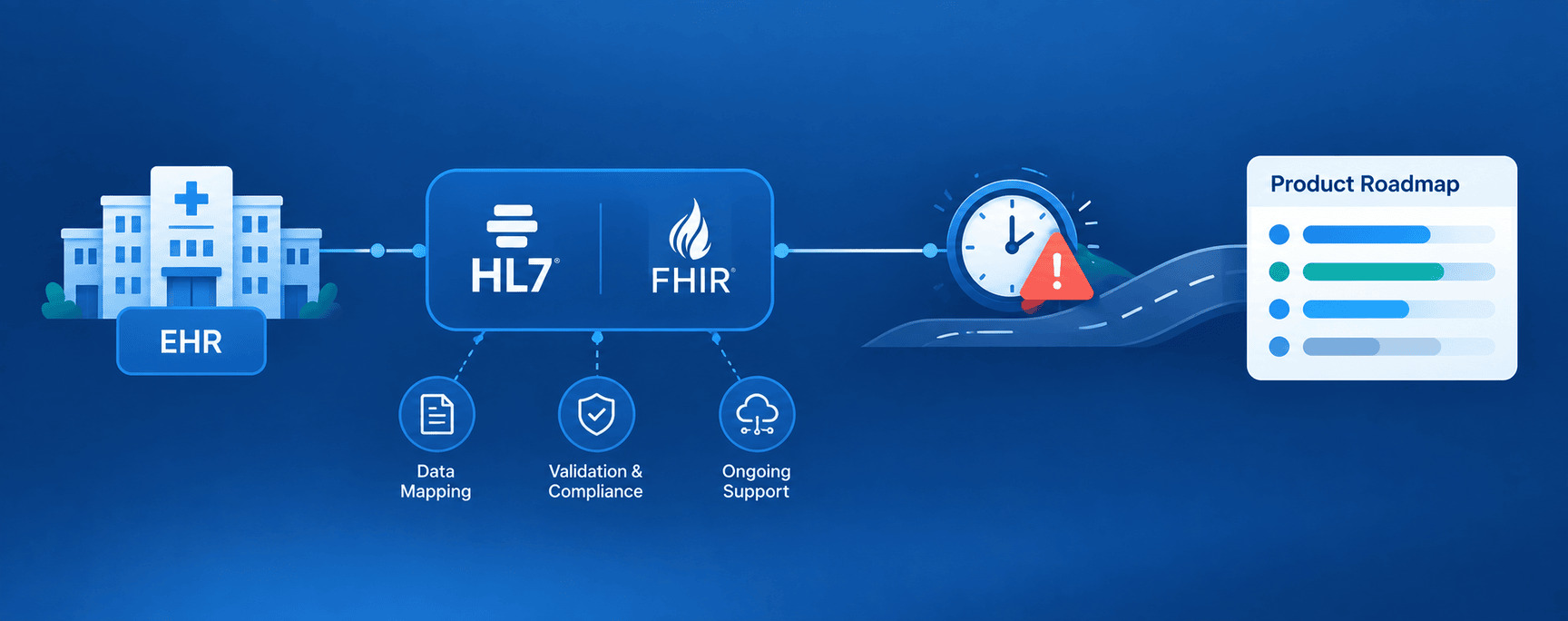
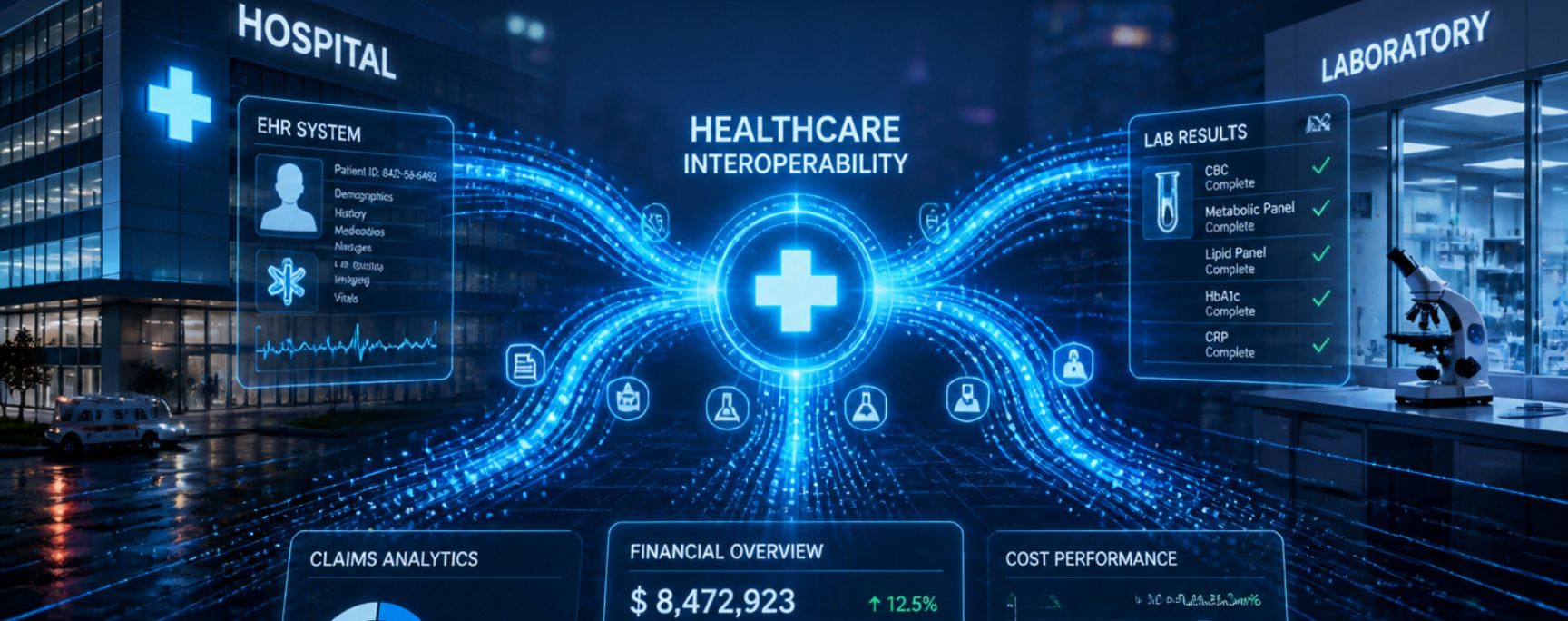
Modern healthcare interoperability capabilities make orthopedic data platforms far more useful than older reporting environments. Instead of asking staff to reconcile data manually, newer integration approaches are designed to connect systems more directly.
Data integration platforms can pull information from EHRs, scheduling systems, imaging tools, supply systems, and finance platforms into a more unified environment. That reduces duplication and gives service-line teams a more reliable source of truth.
Healthcare interoperability standards help different systems exchange information in more consistent ways. Standards don’t fix every issue, but they do help make integration easier and more sustainable.
Analytics dashboards are the layer that turns integrated data into daily decision support. They help orthopedic leaders move from raw information to usable insight across quality, operations, and finance.
Best Practices for Eliminating Data Silos in Orthopedic Departments
An effective orthopedic data strategy starts with understanding where fragmentation exists today. Many departments underestimate the number of systems involved in orthopedic care until they map them directly.
- First, map existing data sources. Find out where the system stores clinical, operational, imaging, financial, and implant data. Also, identify any handoffs or gaps in reporting.
- Second, standardize data formats and definitions. Integration becomes much more useful when key metrics mean the same thing across teams and systems.
- Third, implement interoperable systems wherever possible. This does not always mean replacing current tools. It often means building stronger connectivity between them so they can contribute to a shared analytics environment.
- Fourth, align data governance with service-line strategy. Ownership, reporting definitions, access rules, and performance priorities should support orthopedic growth goals rather than developing independently of them.
Conclusion: Integrated Data Is the Foundation of High-Performing Orthopedic Programs
You can’t use an effective orthopedic analytics strategy if your data is stuck in the dark. Data silos actively prevent effective performance management, driving up costs, frustrating clinicians, and introducing unnecessary risk into the patient journey.
The future of the specialty belongs to organizations that embrace orthopedic digital transformation. Integrated data environments are the absolute foundation required to enable advanced analytics, deploy artificial intelligence, and execute the strategic decision-making necessary to dominate your local market.
Ready to break down orthopedic data silos? Connect with Our Specialists to start building an integrated, high-performance analytics environment.
Frequently Asked Questions
About Dash

Dash Technologies Inc.
We’re technology experts with a passion for bringing concepts to life. By leveraging a unique, consultative process and an agile development approach, we translate business challenges into technology solutions Get in touch.