Interoperability in Radiology: Why Integration Is Critical for Digital Health
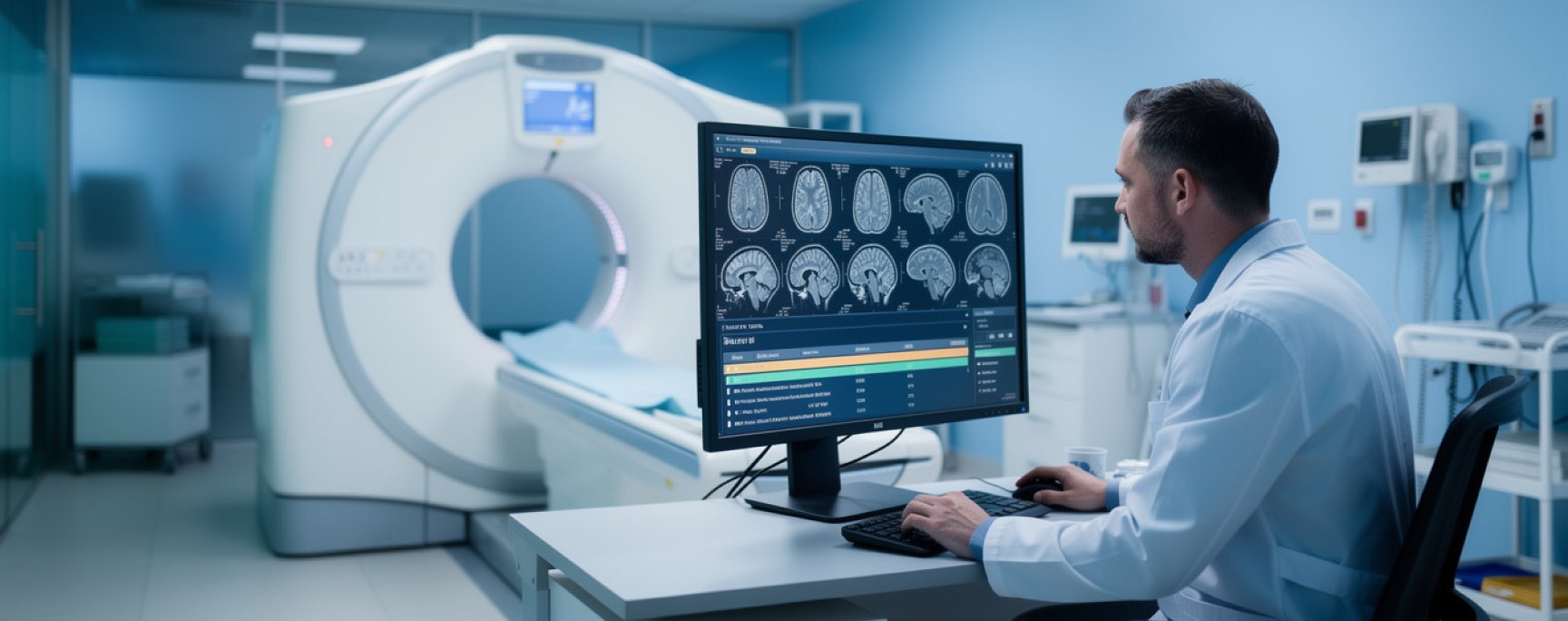
Radiology interoperability is when imaging systems, like PACS and RIS, can share data. This includes tools such as EHRs and analytics. It helps ensure that radiology data is used consistently across different workflows. It matters now because digital health transformation depends on connected insights, not isolated images, and radiology generates some of the most valuable clinical data in the organization.
When imaging data silos keep data trapped in PACS, teams lose speed. They end up repeating work and limiting the impact of analytics and AI. To start modern digital health projects, you must break down imaging data silos. This includes tools like predictive analytics, setting up remote patient monitoring, or running AI diagnostic tools. Without deep integration, none of it actually works.
What Interoperability Means in Radiology?
Healthcare interoperability in radiology goes beyond basic file transfer. True integration addresses physical system connections. It also requires standardizing data semantics and aligning clinical workflows.
-
Technical Connectivity
This base layer of imaging integration needs both physical and digital infrastructure. It must securely move files. Technical interoperability means that the PACS and Radiology Information System (RIS) are linked. The core hospital EHR is also connected. They use active APIs to stay linked. These pipelines must transmit data without failure or privacy compromises.
-
Semantic Integration
Radiology data exchange has no value if the receiving system cannot parse it. Semantic interoperability guarantees that systems share the exact same clinical definitions. When an outpatient clinic routes a CT scan to a tertiary hospital Both systems must recognize the procedure. They need to identify it clearly. This function relies on standardized coding like SNOMED CT or LOINC. It also needs uniform reporting structures.
-
Workflow Alignment
Complete integration happens when the technology recedes from a view. Workflow interoperability embeds radiology directly into daily patient care processes. A surgeon skips logging into a separate portal to view an MRI. Instead, the image appears within their native EHR interface at the exact moment of need.
Why Radiology Systems Are Often Fragmented?
Understanding how to fix the problem requires understanding how the silos were built in the first place. Radiology data silos are rarely intentional; they are the byproduct of decades of decentralized IT purchasing.
-
Vendor-Specific PACS Environments
In the past, hospitals bought PACS solutions only for radiology. They didn’t think about considering enterprise-wide PACS integration challenges. Many legacy vendors built proprietary databases designed explicitly to lock hospitals into their ecosystem. Extracting data from these legacy imaging systems to share with a competitor’s system is notoriously difficult and expensive.
-
Limited EHR Integration
The EHR acts as the brain for patient data, but its connection to radiology is often shallow. This limits the depth of information shared and can affect patient care. In a fragmented system, the EHR may get a text summary of the radiologist’s findings. However, the high-resolution diagnostic image stays locked in the PACS. These forces refer physicians to constantly toggle between separate applications.
-
Inconsistent Data Standards
IT teams try to connect to these systems. But inconsistent data standards break the link. If a clinic labels a scan as “Chest X-Ray” and the hospital database seeks “Radiograph, Chest,” the data transfer will fail. This means someone must manually fix the patient’s records.
The Impact of Poor Interoperability on Digital Health
Poor interoperability creates radiology workflow inefficiencies and weak imaging data accessibility, and those problems compound into broader digital health integration challenges.
- Delayed access to imaging insights: Care teams spend time hunting priors, reports, or comparisons; decisions slow down.
- Duplicate imaging studies: When prior imaging isn’t accessible or easily usable during transfers of care, teams repeat studies “to be safe.” A peer-reviewed AJR study found repeat imaging rates were much higher when outside images weren’t available (72%) or weren’t imported (52%), compared with when outside images were imported into PACS (11%).
- Limited AI model performance: AI depends on consistent, well-labeled, accessible data. When imaging is broken and metadata is unclear, it’s tough to validate, deploy, and scale AI outputs.
- Reduced care coordination: If the imaging context doesn’t link to downstream workflows, care suffers. This includes specialty clinics, surgery, oncology boards, and discharge planning. Teams then rely on manual communication and get incomplete information.
Break Down Imaging Data Silos
Enable seamless radiology data exchange and improve imaging accessibility across your healthcare ecosystem.
Talk to Our ExpertsStandards That Enable Radiology Interoperability
Healthcare interoperability standards are the “rules of the road” that help multi-vendor environments exchange data safely and consistently. In radiology, a few standards matter most:
- DICOM standards: DICOM (Digital Imaging and Communications in Medicine) is the universal standard for medical imaging data. It sets out the formats and exchange methods needed for clinical use.
- HL7 radiology: HL7 messaging is popular for clinical tasks. It helps share orders, results, and patient context between systems, like EHR and RIS.
- FHIR imaging data: HL7 FHIR is a standard for sharing health info electronically. It focuses on APIs, helping create connected systems and modern app interoperability.
- IHE frameworks: IHE Profiles provide a practical, standards-based “common language” and implementation path that reduces complexity and risk in multi-vendor integration projects.
These standards don’t eliminate work, but they reduce reinvention and make integration outcomes more predictable across vendors and sites.
How Interoperability Enables AI and Advanced Analytics in Radiology?
AI in radiology integration depends on an imaging data infrastructure that very few organizations have fully built. Without interoperability, AI tools function as disconnected point solutions rather than embedded clinical assets.
Imaging data for AI requires structured, accessible, consistently labeled datasets delivered through reliable pipelines. When PACS systems don’t work with AI inference engines, studies need manual routing for analysis. This process removes the real-time workflow that makes radiology AI truly useful.
Radiology analytics platforms require the same foundational infrastructure. Operational analytics tracking turnaround time, modality utilization, and radiologist productivity need continuous access to study-level data that fragmented systems cannot reliably provide.
System interoperability dictates whether an algorithm auto-populates structured findings directly into a report or forces a physician into manual transcription. This integration creates entirely different productivity and quality outcomes from the exact same underlying model. Establishing a standardized data pipeline guarantees these advanced systems have the exact inputs they need to execute.
Operational Benefits of Radiology Integration
Radiology workflow optimization through imaging operations analytics delivers measurable efficiency gains that go beyond clinical data access, directly improving enterprise imaging strategy economics.
Faster access to prior imaging reduces both duplicate studies and clinical delays. When prior exams surface automatically within current workflows, radiologists complete more informed interpretations faster, while clinicians avoid ordering redundant studies.
Enterprise imaging platforms offer real-time visibility. This helps with workload distribution. It shows study volume and radiologist capacity. This is true across facilities and modalities. Supervisors can shift studies based on real demand. This approach is better than sticking to static schedules.
Workflow integration directly reduces reporting delays. Surfacing clinical context automatically in the reading environment means radiologists spend less time navigating between systems per study. This context includes ordering indications and prior reports.
Enterprise-wide visibility enables leadership to monitor imaging performance across multiple facilities, modalities, and service lines through unified analytics rather than compiling data manually from separate departmental systems
Building an Interoperable Radiology Environment
Developing a sustainable radiology integration strategy requires structured planning.
- Assess Existing System Fragmentation
Map all imaging systems, data flows, and integration points. Look for bottlenecks and silos. - Align Imaging Standards
Standardize DICOM usage, reporting templates, and coding systems across sites. - Enable Real-Time Data Exchange
Implement APIs and interoperability frameworks that support near real-time imaging data exchange. - Integrate With Enterprise Analytics Platforms
Make sure imaging data supports enterprise dashboards, AI platforms, and analytics tools.
Radiology integration isn’t just a technical initiative. It needs governance, leadership support, and planning for digital health readiness. Organizations that prioritize imaging data infrastructure position themselves for scalable digital transformation.
Conclusion: Interoperability Is the Foundation of Modern Radiology
The future of radiology integration depends on treating interoperability as core digital health infrastructure. Organizations must prioritize it early in system architecture. Imaging provides a foundational clinical signal that needs to flow freely between care settings and analytics environments.
Strong radiology interoperability helps medical facilities achieve faster decisions and fewer duplicate exams. It also establishes the baseline for scalable AI and workflow optimization. Review your current digital health platforms and imaging modernization efforts to identify high-impact integration opportunities for your clinical teams
Frequently Asked Questions
About Dash

Dash Technologies Inc.
We’re technology experts with a passion for bringing concepts to life. By leveraging a unique, consultative process and an agile development approach, we translate business challenges into technology solutions Get in touch.